
Why the Global Monetary Reset Has Just Begun
A missile on Riyadh, a 50 year oil for dollars deal under strain, and one Saudi number that has not moved in years
Felix Nikolas Prehn · 12 October 2026 · 19 pages
Bottom line
For half a century, Saudi Arabia has priced its oil in dollars and recycled the proceeds into American assets. That one arrangement is a large part of why the dollar holds its value. After a week of missiles on Riyadh and only a cautious “we may” from Washington, the kingdom is quietly asking whether it can still count on America. This report explains the machine behind that question, and what an ordinary saver can check tonight.
323tSaudi Arabia's gold reserves, frozen for years while the kingdom stacked over $450bn in currency and lent America its IOUs
Bottom Line
Not the war. The money underneath it.
Bottom line. A missile out of Yemen came down on the main airport of the Saudi capital. The headlines will cover the war. But the part that matters for your savings is quieter. The one country that has underwritten the dollar since 1974 is now phoning Paris and Islamabad for help. It is trimming its holdings of American debt. And it is watching gold the way the rest of the world watches the news.
- Missile on Riyadh, and only “we may” from Washington
- Saudi Arabia hedges: new allies, less US debt
- Central banks buy gold, one Saudi number waits to move
The trigger
An attack on the dollar's oldest guarantor. The security half of the 1974 oil for dollars deal is the part now in doubt. And when the bodyguard looks unreliable, the client starts shopping around.
The chain
The riyal has been fixed to the dollar since 1986. To hold that peg, Riyadh shadows Washington on interest rates. And for 40 years, Saudi Arabia has effectively taken its orders on money from America.
The drift
A hedge, not a dramatic break. New defence pacts, a single month of selling American IOUs, and a careful look at a dollar free payment system. No single morning, just a drift.
The tell
Watch the gold, not the smoke. And central banks bought gold straight through its worst quarter in 13 years. One frozen Saudi number is the single clearest signal to watch.
What Actually Happened
Saudi Arabia shut its own capital's airport
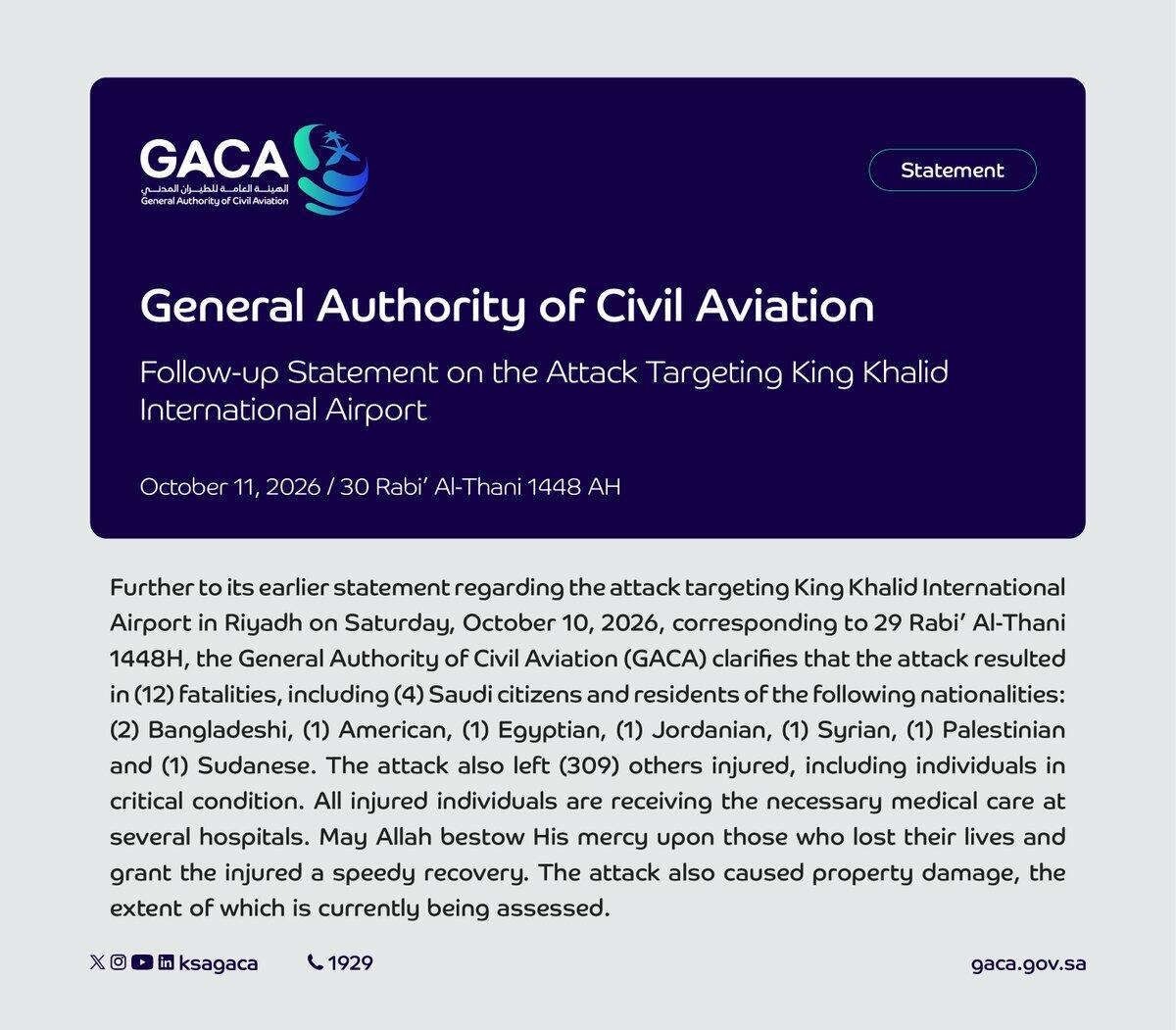
- 12
- people killed, including one American
- 309
- injured, across eight countries
- 300+
- flights cancelled, 200+ delayed
The detail that matters
The deadliest attack of its kind in months. The dead came from eight different countries. The New York Times calls it the deadliest attack on a Gulf Arab country since the war with Iran began in February.
And this was not a one off. Two days earlier a parked plane was destroyed and three more people killed.
The disruption
Riyadh briefly the second most disrupted airport on earth. Several countries issued travel warnings, and major airlines suspended flights. But a showpiece investment summit, due within two weeks, had not been called off as of filming.
Who Riyadh Rang For Help
Everyone except Washington
Bottom line. Saudi Arabia is short of interceptors, the missiles whose only job is to shoot other missiles down. America's own stocks have been run down too, per CNBC. So Riyadh went looking elsewhere, and only after an American died did Washington offer a cautious “we may”.
- France · Britain · Pakistan · Egypt called for help
- New defence pact signed with Turkey and Pakistan
- Washington: “We may. We move very quickly.”
The new bodyguards
The security half of the deal is shifting. Riyadh had already gone to Washington and been turned away. So the defence pact with Turkey and Pakistan matters more than the missiles do. The 1974 bargain was oil money in exchange for American security.
This is where it reaches you
Oil jumped more than 5% on the day. Brent, the world's benchmark oil price, is sitting around $104. And an oil shock does not stay in Saudi Arabia. It gets on a plane and comes to your house.
At the pump. In the weekly shop. On the heating bill. And last of all, in your pension statement.
Why This Is A Currency Story
One handshake that has run the world ever since
- Oil and protection, going one way to the world
- Dollars and loyalty, coming back to America
The deal
Oil priced in dollars, proceeds recycled into America. In 1974 Saudi Arabia agreed to price its oil in dollars and plough the earnings back into American assets. And in return, America provided the security. So that one arrangement has run the world ever since.
The casino window
The dollar is used in roughly 90% of all transactions on earth. So if you need oil, and almost every country does, you have to get hold of dollars first.
It is like a casino. Before you can play at any table, you buy the house chips at the window. America owns the window. And the whole world queues at it. That is the quiet superpower behind the note in your wallet.
- 1974
- the oil for dollars handshake
- ~90%
- of global transactions run on dollars
- 50 yrs
- of Saudi money pointed at America
The Part Most People Miss
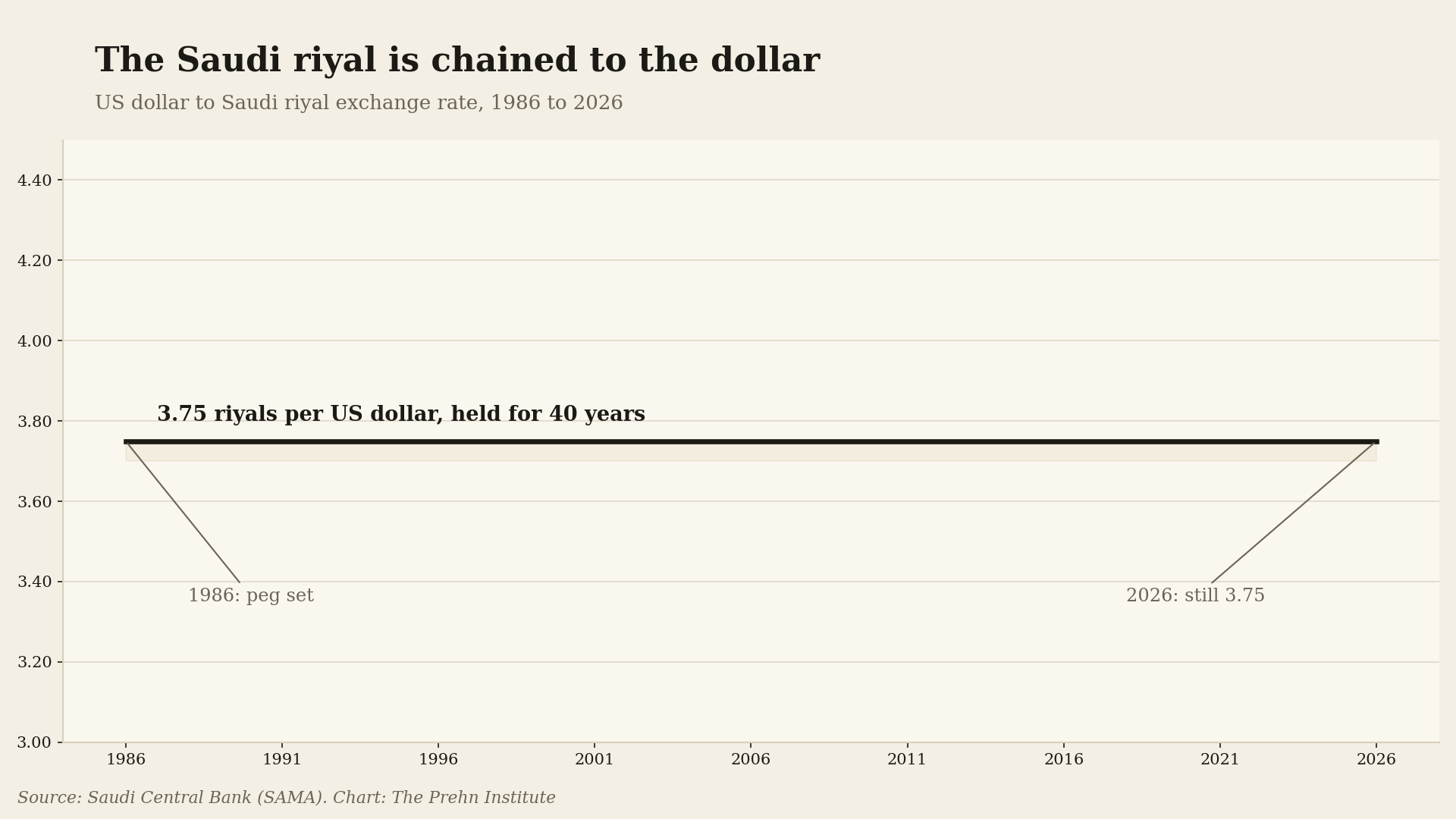
3.75 riyals to the dollar, unmoved since 1986
Not a free currency
The same number, never moving. So to keep that chain from snapping, the Saudi central bank has to shadow America's almost move for move. When Washington raises interest rates, Riyadh raises them too. And when Washington cuts, Riyadh cuts.
Why it matters
Forty years of taking orders on money. In a very real sense, Saudi Arabia has been taking its monetary orders from America for four decades. And that is the thing to hold in your head. Because it is exactly the arrangement now under quiet strain.
A Little Less Pointed At America
$142bn of US IOUs, and a month of selling
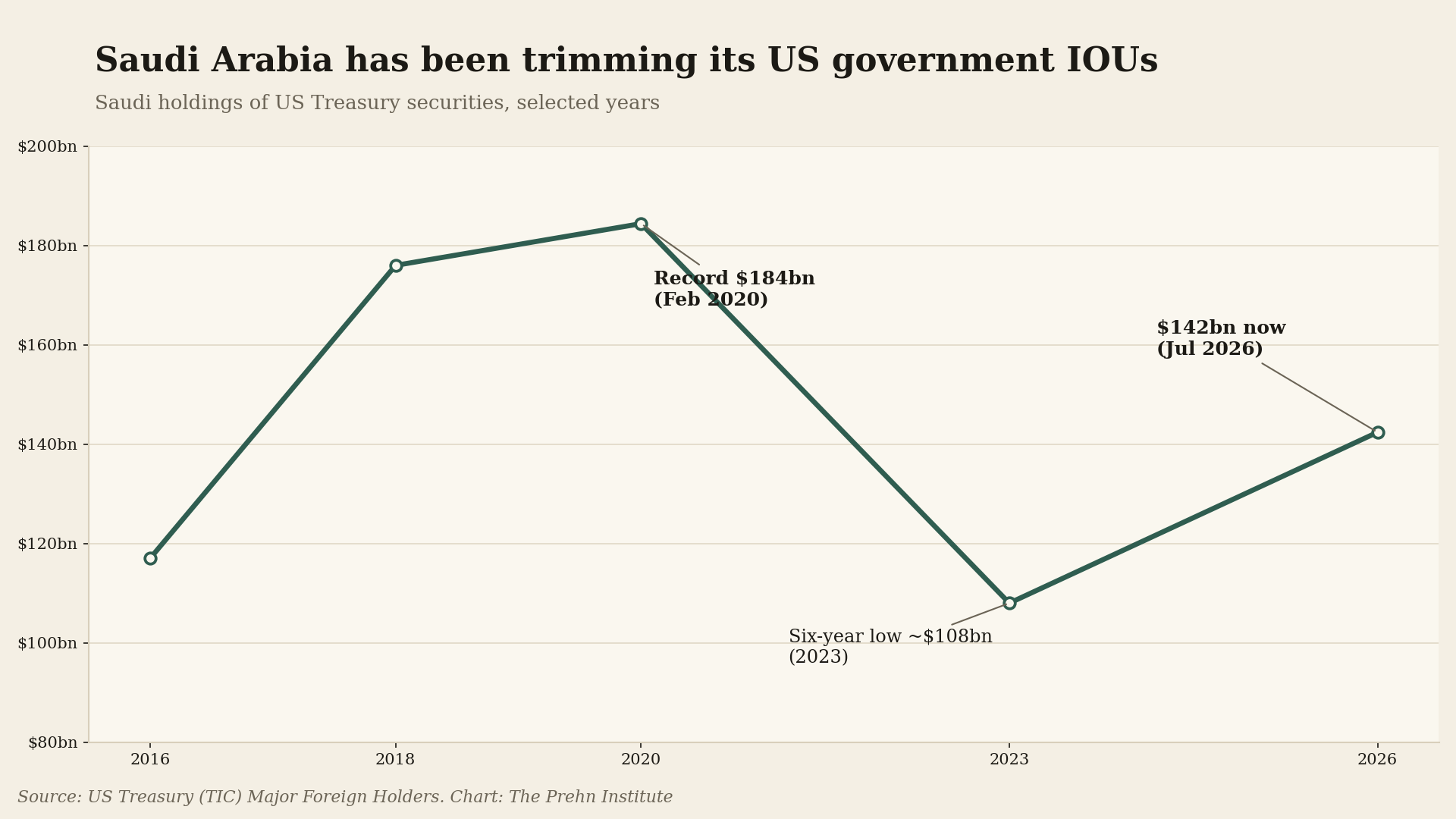
- $451bn
- foreign currency reserves (SAMA)
- $900bn+
- sovereign wealth fund (PIF)
- ~$11bn
- US Treasuries sold in a single month
One month is not a trend
Countries move these holdings around all the time. This is not evidence that Saudi Arabia is dumping America, and it would be wrong to say so. But it belongs next to everything else on the table.
The honest question
A view, flagged as a view, not a fact. The 1974 deal was oil money in exchange for security. If the security now comes from Pakistan, Turkey, France and Britain, what is holding up the other side of the bargain? What keeps all that Saudi money pointed at America, if America is no longer the one keeping Saudi Arabia safe?
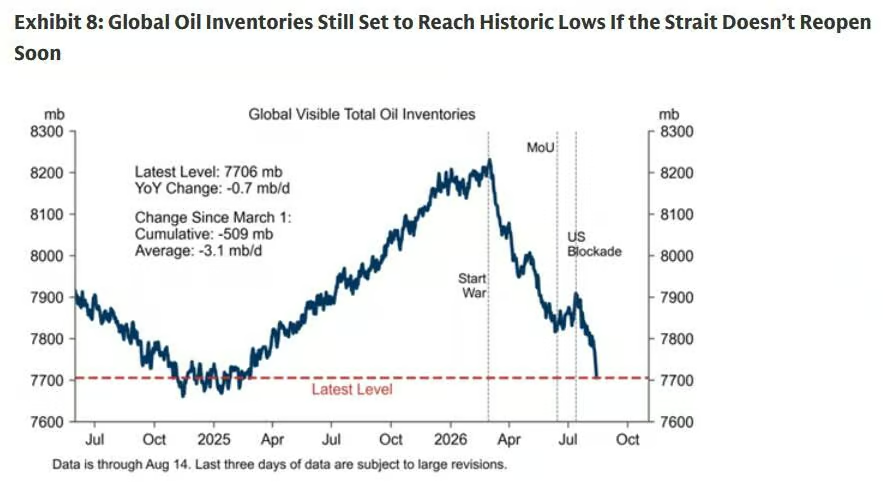
Oil Priced On Fear, Not Supply
Gulf tanker rates, the highest ever recorded
The physical road
The Strait of Hormuz has a plan B: the Red Sea corridor. But the same fighters who hit the airport have been gaining ground along the coast. So they can watch that backup route too.
And if the main road and the diversion are both under threat at once, oil stops being priced on supply and demand. It gets priced on fear.
The target list
The oil machine itself is being hit. A refinery at Jizan in August. Facilities near Yanbu and Riyadh in late September. A claimed strike on a Riyadh facility in early October, which the Saudi side called misleading, so treat it as disputed.
But the pattern is not disputed. The thing that earns Saudi Arabia its dollars is now a target.
The Quiet Financial Exit
Pay each other directly, no dollar in the middle
- Central banks pay each other in their own currencies
- Real goods change hands, no dollar required
- No queue at the casino window
What mBridge does
A dull name for a serious idea. mBridge lets central banks settle payments directly, in their own currencies, without the dollar in the middle. More than $55bn has already gone through it, and the traffic has grown about 2,500 times over since 2022.
The honest version
Saudi Arabia is not in the system. It took part in the trial, then stepped back out when the pilot wrapped up last year. The members today are China, Thailand and the UAE, with Macau joining.
So this is not Saudi Arabia pulling a trigger. It is Saudi Arabia making very sure it knows where the emergency exit is, with one hand near the handle.
The petroyuan
Created at gunpoint, not negotiated. Saudi Arabia has flirted with selling some oil to China priced in yuan, though not at scale.
One analyst warned that Iran could start demanding yuan for safe passage through Hormuz. And if that happens, a petroyuan does not get politely negotiated into existence. It gets created at gunpoint.
The Clue Hiding In Plain Sight
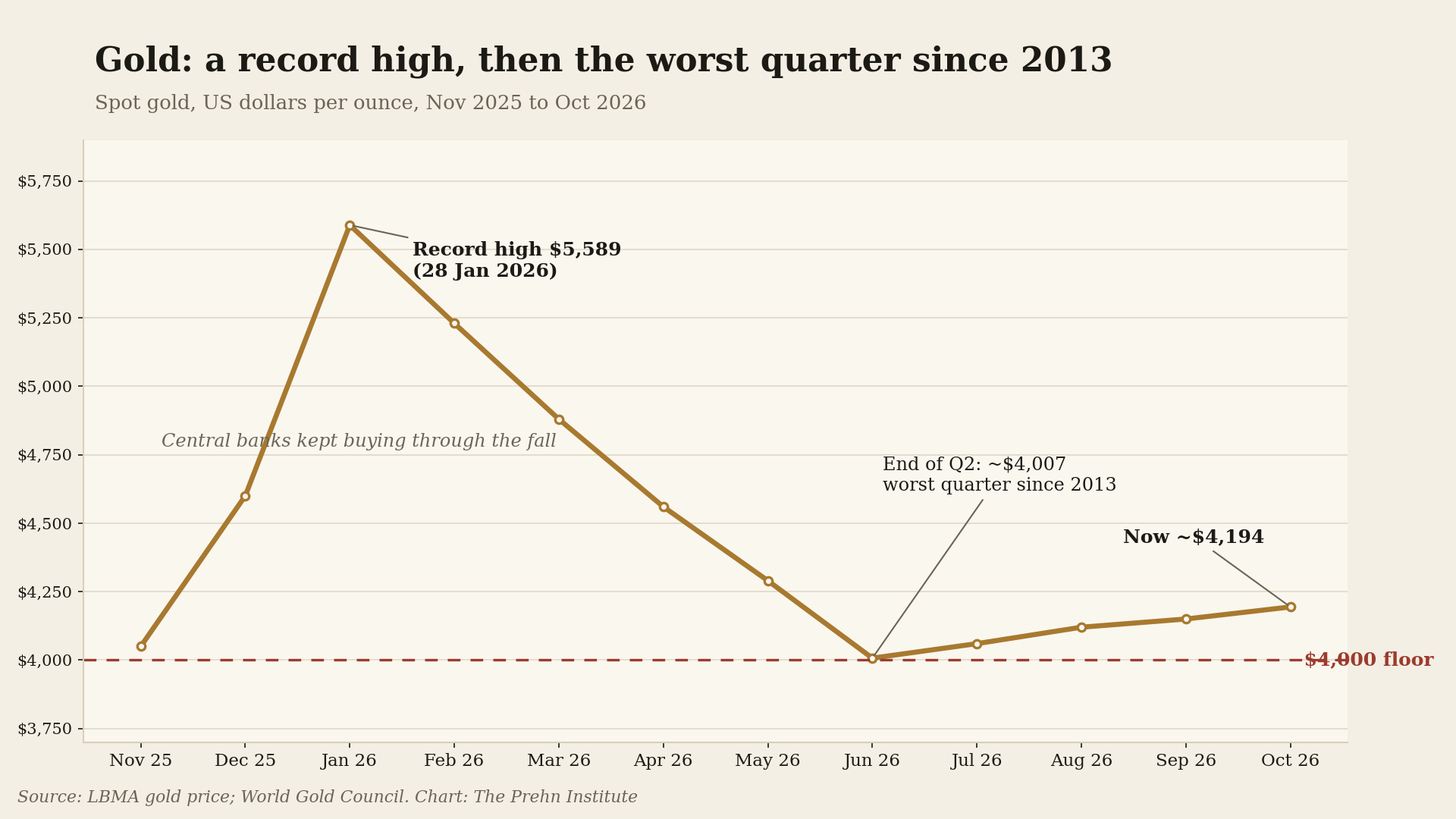
The crowd sold. The smart money bought.
The strange part
The most cautious buyers bought the fall. And all the way down, through the worst stretch in 13 years, the people who manage nations' money carried on buying. So when the smart money and the crowd do opposite things, you have to ask what the smart money can see that the crowd cannot.
The one line to watch
$4,000 is the floor. That is the only price level worth stating plainly. As long as gold holds above $4,000, this story is intact. So no targets and no predictions beyond that, just the floor to watch.
Two different games
Same chart, two time horizons. Sovereign buyers do not chase prices and do not panic. Retail sells after a bad three months. A central bank uses that same bad quarter to buy more cheaply.
One is playing this quarter. And the other is playing the next 20 years.
The Number That Has Not Budged
323 tonnes, and not moving
- 323t
- Saudi gold reserves, frozen for years
- $450bn+
- currency reserves stacked beside it
- $142bn
- of American IOUs held
Bottom line. A gigantic pile of dollars and American debt, and only a modest, frozen stack of gold beside it. And that is the physical shape of the 1974 deal. A country that chose paper promises over metal. Because it trusted the system those promises run on.
Why this is the signal
The clearest tell an outsider can watch. The day Saudi Arabia's gold reserves start to climb is the day the richest oil nation on earth tells you, without a press conference, that it trusts the paper a little less than it used to. And no announcement will come. The number will just start to move.
Why now
A hedge from the most important oil nation on earth. But after the week Riyadh has just had, the odds that this number sits still much longer look lower, not higher. It is a view, not a certainty. And it is the single number this report would ask you to watch.
Just So You Are Not Lost On The Words
Three ways to own gold
| Tool | What it is | The trade off |
|---|---|---|
| Physical gold | A coin or bar you hold yourself | No counterparty, but you store and insure it |
| Gold ETF | Gold held for you inside your normal investment account | Convenient, but someone else holds the metal |
| Gold miners | The companies that dig it out of the ground | Can rise faster than gold, and fall harder |
The point of the definitions
So the words do not trip you up. People always ask what these terms mean, so they are set out plainly here. Three different tools, three different risks. That is all they are.
Understanding first
Direction, then detail. So decide whether the story makes sense first. The mechanics of how to hold any of these come second, and are easy to learn once the direction is clear.
At The Kitchen Table, No Cost
Four things you can check tonight
Check one: do you know what you own?
See it all in one place. Most people have a pension here, an old workplace scheme there, a few funds picked years ago. In Winston, the “Add what you own” button pulls your holdings in all at once, no typing them in one by one. And you cannot manage what you cannot see.
Check two: the 2022 test
Run your holdings through the last real shock. And 2022 is the closest rehearsal there is for what might be coming. Winston lets you run your actual holdings back through it and ask one blunt question: when everything got more expensive, which of my companies held up, and which fell apart?
Check three: the danger zone
A smoke alarm, not the fire brigade. Every morning Winston Daily looks at the shares you own and flags the ones drifting into trouble, so a slow decline does not quietly become a disaster while you are busy living your life. And you still decide what to do. You just find out in time.
Check four: how much of you is tied to the dollar?
Not just your cash. Your bonds, and any income that only ever arrives in dollars. For most people, added honestly, the answer is almost all of me.
That is fine when the dollar is the unquestioned centre of the world. It is a different thing on a night like this one.
The Whole Picture
One machine, in one place
- An airport in the Saudi capital is hit, and Washington offers only “we may”
- The kingdom that underwrote the dollar phones Paris and Islamabad, and sells a little US debt
- It keeps one hand near a dollar free emergency exit
- The smart money buys gold into a crash, and one Saudi number waits to move
What to hold onto
Understanding first. You do not need to predict the exact month of the next move. But you need to understand the machine well enough to stop holding all your wealth in the one thing this story is about.
Do not panic
This is not a sell everything message. So know what you own, and make sure you are genuinely diversified against the risk described here. Calm beats dramatic, every time.
Turn Understanding Into A Plan
Before the next move, ask yourself
- Do I actually know everything I own, in one place, including old pensions and workplace schemes?
- How my holdings behaved in the 2022 inflation and oil shock, the closest rehearsal there is?
- Which of the shares I own are already drifting into a danger zone right now?
- How much of my wealth, including cash, bonds and income, is tied to a single currency?
- Do I understand why central banks are buying gold into a crash, and whether that logic applies to me?
Disclaimer
This report is for educational and informational purposes only and does not constitute financial, investment, legal, tax or accounting advice. It is not a recommendation, solicitation or offer to buy or sell any security, currency, commodity or financial product. No buy or sell rating or price target is provided. All investments involve risk, including the possible loss of principal. Market events, relationships and historical comparisons described here may not repeat, and figures cited are drawn from the video's source materials rather than refreshed with independent research. Illustrations simplify complex systems and may omit factors. Readers should conduct their own research and consult appropriately qualified professionals before making financial decisions. Past performance is not indicative of future results. The Prehn Institute and Winston make no guarantee regarding outcomes.